 VapeWholesaleHub
Testing Box Mod Consistency Across Three Batches — Replenishment Cycles
A good box mod programme is boring in the best sense: same taste, same draw, same carton count, every single time. Getting there requires a shared vocabulary between you and the factory. Consider this page that vocabulary.
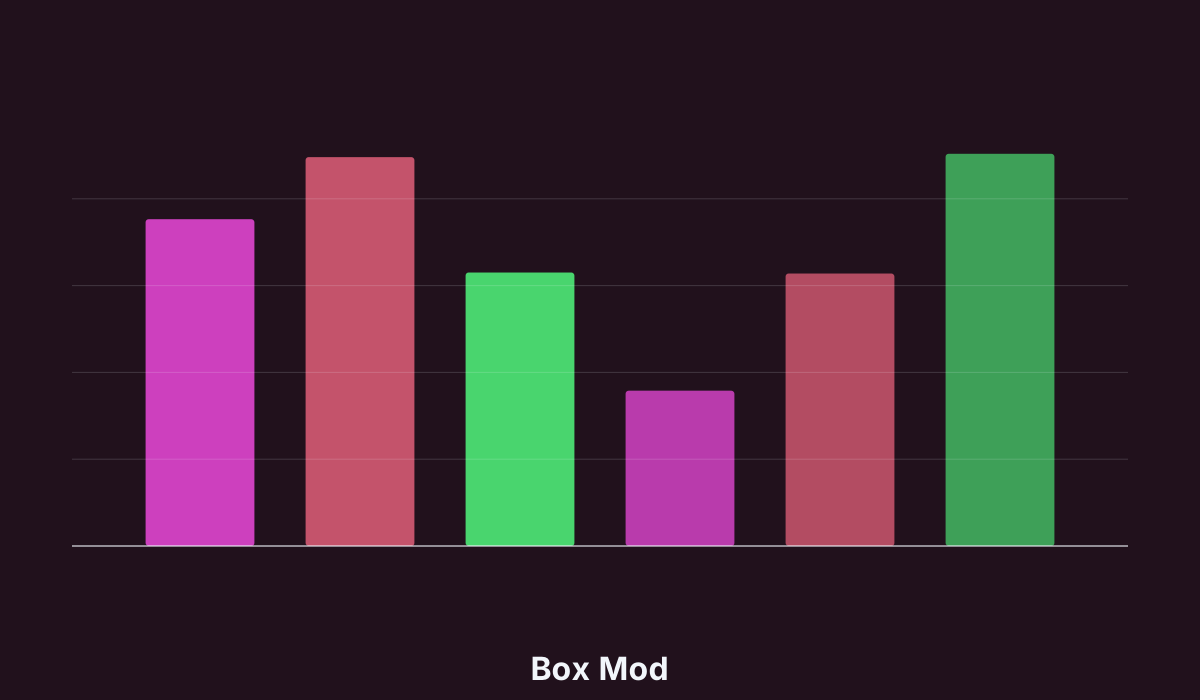
What Box Mod Really Costs Landed
The cheapest box mod quote is rarely the cheapest outcome. Add freight, defect handling, delay risk and the staff time spent chasing, then compare again. The ranking often changes.
Indicative reference points for planning purposes: entry tier from USD 1.89 per unit at 1000 units, mid tier at USD 0.72, and volume tier at USD 0.73 for full container quantities. These figures move with specification, packaging and freight, so treat them as a shape rather than a quote.
Freight, Customs and Timing
Consolidating box mod with other lines is often the biggest single saving available to a mid size importer. The unit cost does not change but the landed cost does, sometimes materially.
Air freight makes sense for a first box mod order when you need to test demand quickly, but almost every steady programme moves to sea freight once volumes stabilise. Planning that switch early avoids a painful margin squeeze later.
Market Signals
Assortment rationalisation is the quiet trend in this category. Shops that cut their box mod range from twelve lines to five well chosen ones often report higher total sales, not lower.
Where Box Mod Sits in the Range
Box Mod sits at an interesting point in the assortment. It is familiar enough to be an impulse purchase and specific enough to build a repeat pattern around. Treating it as either pure commodity or pure specialty both lead to poor results.
Selling Box Mod at Store Level
On shelf, box mod sells on clarity. A plain shelf talker that states strength and flavour in two words outperforms a beautifully designed but vague display, because most purchase decisions here take under ten seconds.
Keep the box mod range tidy. A half empty shelf reads as a dying line, and customers interpret it that way faster than any signage can correct.
Practical Checklist
- Plan the switch from air to sea freight before you need it.
- Confirm the current customs classification with your own broker.
- Check carton dimensions against your freight quote before confirming.
- Ask how the factory measures puff count, then compare like with like.
- Write the complaint threshold into the order terms.
- Start with a mixed carton and let your own sell-through decide.
Frequently Asked Questions
What happens if my market changes its rules?
Regulations move, and packaging or documentation sometimes has to follow. We keep approved artwork files on hand so that a required change is a reprint rather than a redesign, which keeps the cost and delay down.
Can I visit the production facility?
Yes, and we encourage it for larger programmes. Visits are most useful when you already have a draft specification, because you can then check the specific processes behind the numbers you care about.
Can I mix strengths in one order?
In most cases yes, as long as each strength meets the minimum run length. Mixed strength cartons are popular with retailers building their first display because they show the full ladder without over committing.
Is there support for in-store material?
Yes. Shelf talkers, counter cards and simple planogram suggestions are available for box mod ranges that reach a sensible volume. Most retailers find the plain strength and flavour cards do the most work.
Next Step
Send us your current box mod specification even if you are not planning to move suppliers. A second read of a document you use every month is usually worth the ten minutes.
Related Reading
- Box Mod Specification Change Control — Real Numbers Only
- Box Mod Cross Selling With Adjacent Categories — Real Numbers Only
- Box Mod Cost Breakdown: What You Are Really Paying For — Before Your Next Order
- How to Choose Box Mod Without Overpaying — 2026 Buyer Notes
- Warehouse Layout Tips for Box Mod Distributors — Private Label Programmes
- Box Mod Electronic Data Interchange for Large Accounts — North America