 VapeWholesaleHub
Box Mod Specification Change Control — a Factory Floor View
The most expensive box mod mistake is not paying too much per unit. It is discovering after three months that the line cannot be reordered to the same standard. Consistency is the actual product.
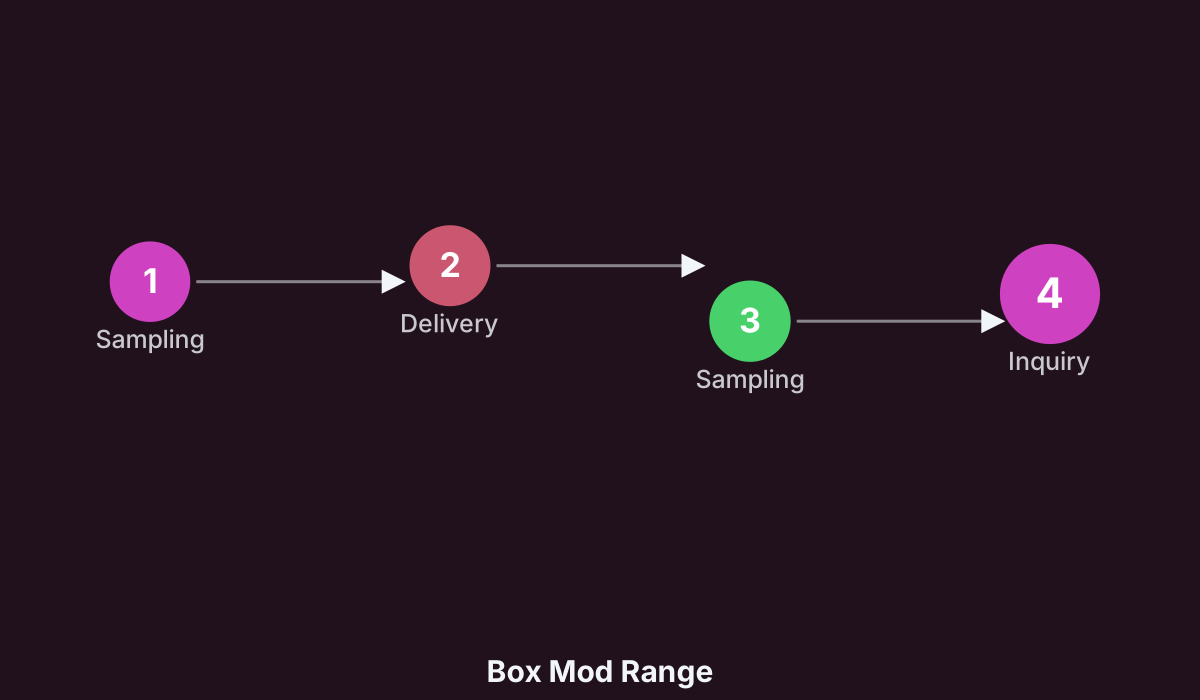
Freight, Customs and Timing
Carton dimensions for box mod are a design decision, not a packing afterthought. A few centimetres on the master carton can change how many units fit a pallet, and that repeats on every order.
Plan the box mod customs paperwork at the same time as the order, not when the goods are on the water. A missing document costs more in demurrage than the entire freight saving from a cheap forwarder.
How Box Mod Batches Are Checked
AQL sampling gets a lot of attention, but for box mod the more useful habit is simply measuring the same three things on every single batch. Trend lines catch problems that pass/fail checks miss.
Inspection is only useful if the result is recorded somewhere you can find it later. A box mod batch log with weights, codes and measurements turns a future complaint into a five minute lookup.
- Rotate stock by batch code rather than by delivery date.
- Plan the switch from air to sea freight before you need it.
- Model landed cost, not ex-works price, when comparing quotes.
- Ask how the factory measures puff count, then compare like with like.
- Agree the tolerance band in writing before approving artwork.
Pricing and Margin
When box mod input costs move, ask which component moved. A generic price increase hides whether you are paying for cells, packaging or simply a busy production calendar.
Indicative reference points for planning purposes: entry tier from USD 1.03 per unit at 2000 units, mid tier at USD 1.88, and volume tier at USD 1.39 for full container quantities. These figures move with specification, packaging and freight, so treat them as a shape rather than a quote.
Where Box Mod Sits in the Range
A tight box mod range with deep availability usually outsells a wide range with thin stock. Customers who find their line in stock come back; customers who are told to wait do not.
The Specification That Matters
Good box mod specs describe the failure boundaries, not just the target. Stating what is unacceptable gives the factory a clear production window instead of a single point they will miss half the time.
| Product category | Closed pod |
|---|---|
| Resistance band | 1.0 - 1.2 ohm |
| Capacity tolerance | +/- 5% |
| Puff count method | Declared by capacity |
| Master carton | 100 units |
| Carton weight | 3.7 kg |
| Shelf life | 12 months |
| Storage | 15-25 C, dry, away from direct light |
Trends Worth Watching
Demand for box mod has been steadily rebalancing. The early phase rewarded whoever could ship fastest; the current phase rewards whoever can ship the same thing twice. That shift favours buyers who invest in specification rather than price shopping.
Traceability is moving from a nice-to-have to a requirement in several box mod markets. Building the habit now is cheaper than retrofitting record keeping under pressure later.
Practical Checklist
- Model landed cost, not ex-works price, when comparing quotes.
- Write the complaint threshold into the order terms.
- Keep sealed retained samples from every production batch.
- Ask how the factory measures puff count, then compare like with like.
- Check carton dimensions against your freight quote before confirming.
- Agree the tolerance band in writing before approving artwork.
Frequently Asked Questions
What if a batch does not match the sample?
Keep the retained samples from the approval stage. If a delivered batch measurably differs, we compare against the retained set and resolve it against the production record. This is why we insist on sealed retained units from every run.
Can the packaging be customised?
Yes. Most box mod programmes use private label packaging once volumes justify the printing plate. We supply dielines, check your artwork for print issues and hold approved files so reorders need no new setup.
How should box mod be stored?
Cool, dry and out of direct sunlight. Heat and light are the two things that shorten shelf life fastest. Rotate stock by batch code rather than by arrival date, and keep cartons off concrete floors in humid warehouses.
Do you hold stock for regular customers?
For established programmes we can reserve production slots and, in some cases, hold finished box mod stock against a forecast. It removes most of the lead time risk from a reorder and is worth discussing once volumes are stable.
How are price changes handled on repeat orders?
{K} pricing is reviewed against input costs and volume rather than adjusted casually. Any change is confirmed in writing before the next order is scheduled, with the reason stated so you can judge it yourself.
Next Step
Nobody wins when a first order is too large to learn from. Start with a mixed carton, check how it moves in your own market, then scale the lines that earned the shelf space.
Related Reading
- Box Mod Factory Visit Preparation Checklist — Entry-Level Price Points
- Box Mod Future Outlook: Trends Worth Watching — Southeast Asia
- Box Mod Nicotine Strength Selection for Mixed Cabinets — Plain Language
- Comparing Box Mod Factory Tiers and What You Get — Latin America
- Box Mod Chargeback Prevention for Retail Partners — First-Time Importers
- Box Mod Documentation Pack for Customs Brokers — Premium Shelf Programmes