 VapeWholesaleHub
Box Mod Lead Time Buffers That Actually Work — Convenience Retail
There is no clever trick to buying box mod well. There is a short list of things worth checking and a long list of things that distract from them. This page is an attempt at the short list.
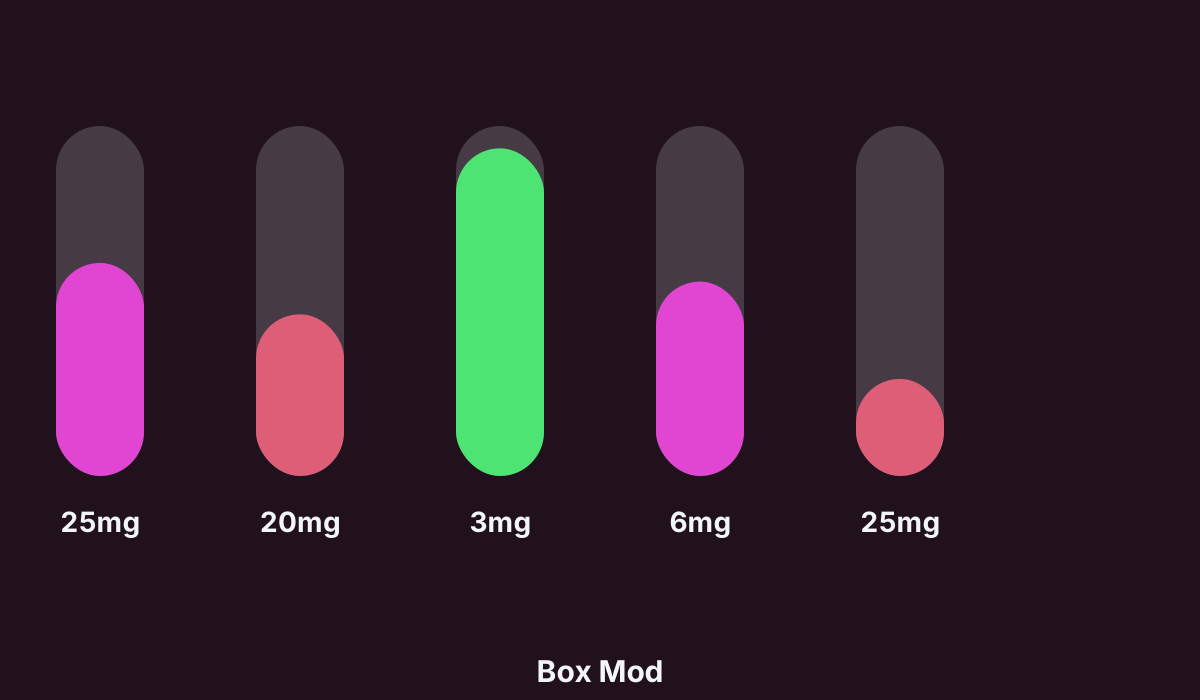
How Box Mod Fits the Assortment
One useful exercise: list every box mod line you stock and mark the last date each one sold at full price. Anything without a recent full price sale is taking space from something that would use it better.
Inspection Before Dispatch
Set the box mod complaint threshold in the contract before you need it. Deciding what counts as an acceptable defect rate during a dispute is the worst possible time to negotiate it.
- Write the complaint threshold into the order terms.
- Rotate stock by batch code rather than by delivery date.
- Confirm the current customs classification with your own broker.
- Check carton dimensions against your freight quote before confirming.
- Keep sealed retained samples from every production batch.
What Box Mod Really Costs Landed
Discounting box mod to win shelf space tends to reset customer expectations permanently. Volume support in kind, such as display material, usually costs less in the long run.
Indicative reference points for planning purposes: entry tier from USD 1.40 per unit at 2000 units, mid tier at USD 1.68, and volume tier at USD 0.52 for full container quantities. These figures move with specification, packaging and freight, so treat them as a shape rather than a quote.
Market Signals
Assortment rationalisation is the quiet trend in this category. Shops that cut their box mod range from twelve lines to five well chosen ones often report higher total sales, not lower.
Getting Box Mod to Your Warehouse
Model box mod freight both ways before choosing a method: cost per unit and cost per week of delay. The second figure is the one that decides whether a cheap option was actually cheap.

Practical Checklist
- Model landed cost, not ex-works price, when comparing quotes.
- Rotate stock by batch code rather than by delivery date.
- Plan the switch from air to sea freight before you need it.
- Confirm the current customs classification with your own broker.
- Ask how the factory measures puff count, then compare like with like.
- Start with a mixed carton and let your own sell-through decide.
Frequently Asked Questions
How do you handle a short shipment?
Cartons are counted and weighed before dispatch and the figures are shared with you. If something is short on arrival, the packing record and the carrier documentation are both available, which keeps the claim straightforward.
What information do you need to quote?
Target specification, approximate quantity, destination and any packaging requirement. With those four we can usually come back with a costed option the same working day rather than a request for more information.
Can I mix strengths in one order?
In most cases yes, as long as each strength meets the minimum run length. Mixed strength cartons are popular with retailers building their first display because they show the full ladder without over committing.
What if a batch does not match the sample?
Keep the retained samples from the approval stage. If a delivered batch measurably differs, we compare against the retained set and resolve it against the production record. This is why we insist on sealed retained units from every run.
Next Step
If you are comparing options right now, send us the specification you have been quoted elsewhere. A side by side reading usually shows where the price difference actually comes from, and that is the most useful first conversation to have.
Related Reading
- Sustainability and Take Back Programmes for Box Mod — Small Batch Buyers
- Box Mod Warranty Claims Workflow — First-Time Importers
- Box Mod Sample Approval Meeting Agenda — Repeat Orders
- How to Brief a Factory on Box Mod — Seasonal Demand Peaks
- Box Mod Forecasting Without Historical Data — Small Batch Buyers
- Box Mod Freight Options Compared: Air, Sea and Express — Highly Regulated Markets